Study Skills & Cognitive Science: Master Active Recall, Feynman Technique & Microlearning for Academic Success
Study Skills & Cognitive Science: Master Active Recall, Feynman Technique & Microlearning for Academic Success
Key Takeaways
-
>Active Recall boosts memory retention by forcing active retrieval of information.
>Feynman Technique deepens understanding through simplification and teaching.
>Microlearning delivers focused, bite-sized content for better engagement and flexibility.
>AI-powered tutoring enables personalized quiz creation and adaptive learning paths.
>Slow Study emphasizes deep understanding over speed, leading to stronger conceptual mastery.
Introduction
In today's fast-paced academic environment, mastering effective study skills is crucial for success. This article explores evidence-based techniques from cognitive science that enhance learning, retention, and performance for Class 12+ students preparing for board exams, competitive tests, and future careers.
We'll cover core strategies like Active Recall and the Feynman Technique, alongside modern trends such as microlearning, AI-assisted tutoring, and slow study methods. Each technique is backed by research and includes practical applications you can implement immediately.
By the end of this guide, you'll have a comprehensive toolkit to optimize your study routine, improve exam scores, and develop lifelong learning skills.
Key Concepts
1. Active Recall
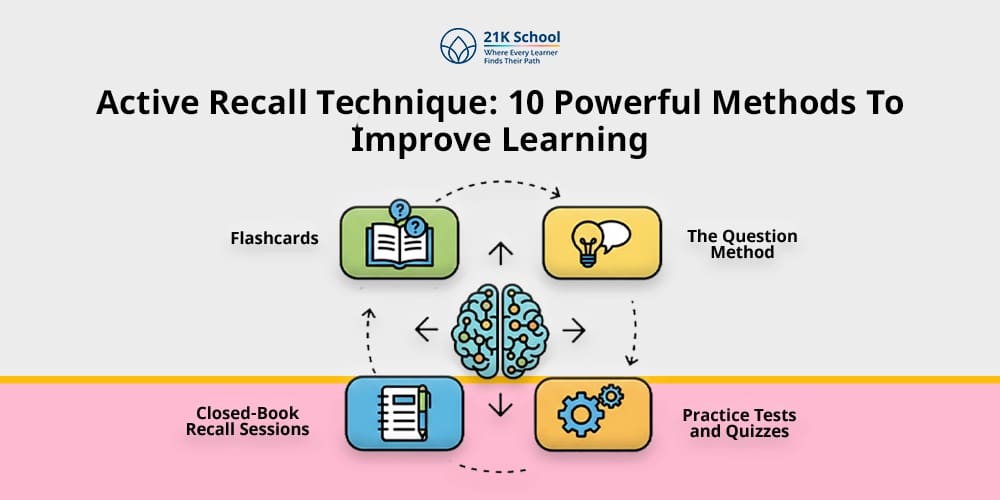
Active Recall is a learning principle that involves actively stimulating memory during the learning process. Instead of passively rereading notes, you test yourself on the material, which strengthens neural pathways and improves long-term retention.
Real Example: Using flashcards to test yourself on physics formulas rather than simply reading them repeatedly.
Benefit: Studies show active recall can improve retention by up to 50% compared to passive review.
[pubmed.ncbi.nlm.nih](https://pubmed.ncbi.nlm.nih.gov/41135423/)2. Feynman Technique
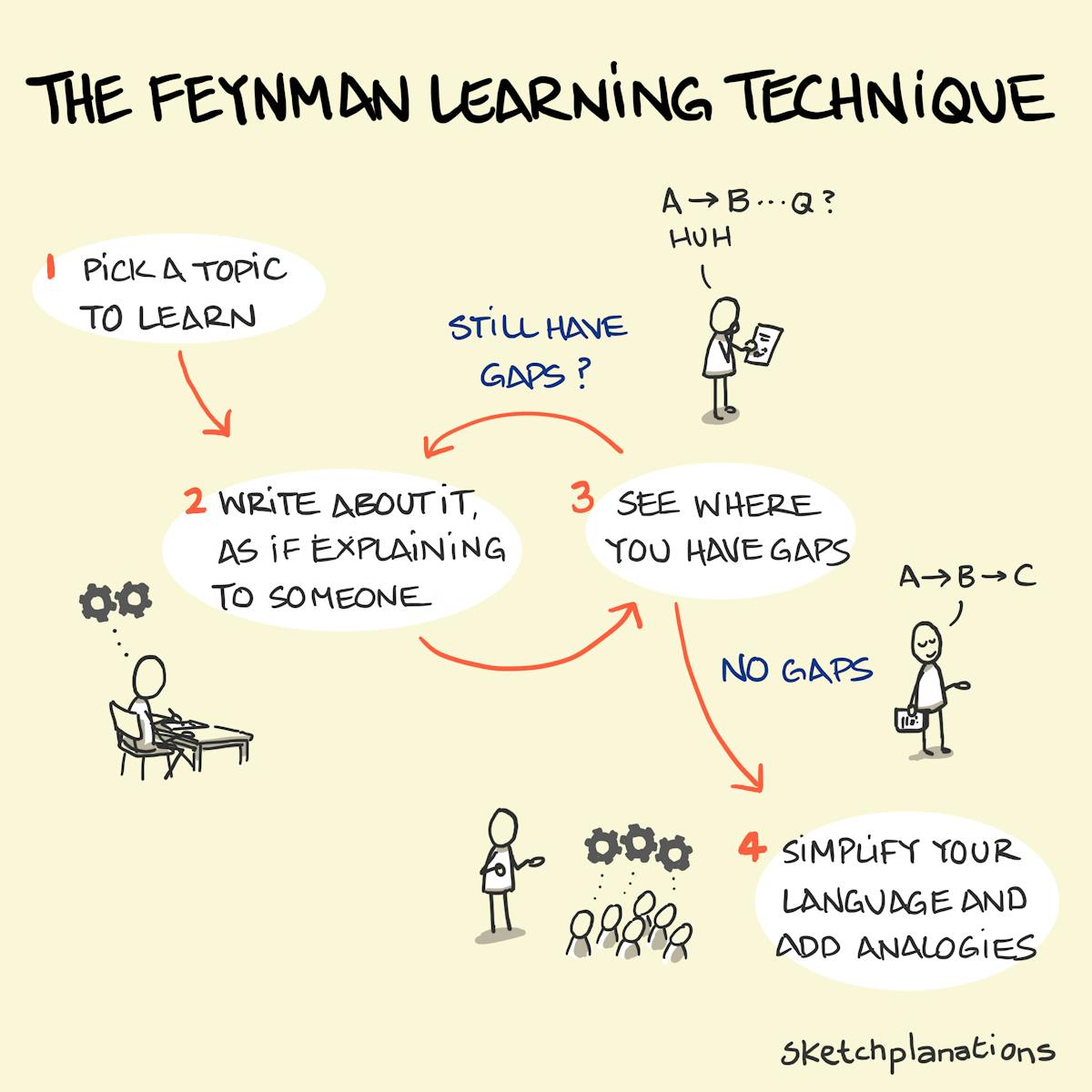
The Feynman Technique involves explaining a concept in simple terms as if teaching it to someone else. This process identifies gaps in understanding and forces you to revisit and simplify the material.
Real Example: Explaining the concept of photosynthesis to a friend using everyday language and analogies.
Benefit: Enhances comprehension and retention by transforming passive knowledge into active understanding.
[timesofindia.indiatimes](https://timesofindia.indiatimes.com/education/web-stories/10-ways-feynman-technique-improves-learning-and-retention/photostory/115730044.cms)3. Microlearning
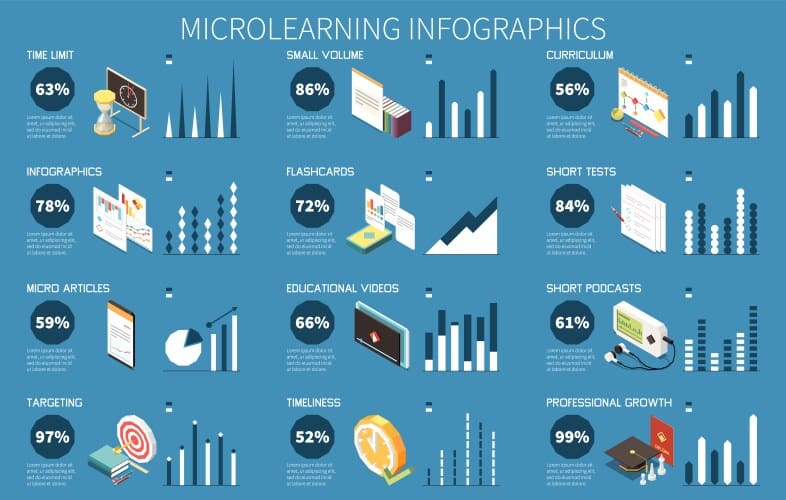
Microlearning delivers educational content in short, focused segments typically lasting 3-15 minutes. This approach aligns with how the brain naturally processes information, reducing cognitive overload and improving engagement.
Real Example: Watching a 10-minute video tutorial on a specific math concept rather than a hour-long lecture.
Benefit: The microlearning market is projected to grow from USD 3.32 billion in 2026 to USD 5.81 billion by 2031, reflecting its increasing adoption.
[mordorintelligence](https://www.mordorintelligence.com/industry-reports/microlearning-market)4. AI-Powered Tutoring
AI-powered tutoring uses artificial intelligence to create personalized learning experiences, including adaptive quizzes, instant feedback, and customized study paths based on individual performance.
Real Example: Using Gemini or ChatGPT to generate practice questions on weak areas identified through self-assessment.
Benefit: Provides immediate, personalized support that adapts to your learning pace and style.
5. Slow Study
Slow Study emphasizes deep understanding and mastery over speed. It involves taking time to thoroughly explore concepts, make connections, and engage with material at a thoughtful pace rather than rushing through content.
Real Example: Spending a week deeply studying a single chapter of chemistry, solving varied problems, and relating concepts to real-world applications.
Benefit: Leads to stronger conceptual foundations and better ability to apply knowledge in novel situations.
Benefits & Applications
Implementing these study skills offers numerous advantages for students, educators, and lifelong learners:
-
>Improved Exam Performance: Active Recall and spaced repetition directly enhance memory retention, leading to better recall during exams.
>Deeper Conceptual Understanding: The Feynman Technique and Slow Study promote true comprehension rather than superficial memorization.
>Increased Efficiency: Microlearning and AI-powered tutoring allow you to focus on exactly what you need to learn, saving time.
>Reduced Study Stress: Effective techniques build confidence and reduce anxiety associated with exam preparation.
>Lifelong Learning Skills: These methods develop self-directed learning abilities valuable throughout academic and professional careers.
Real-World Applications:
-
>JEE/NEET aspirants using Active Recall for physics and chemistry formulas.
>Class 12 students applying the Feynman Technique to understand complex biology processes.
>Working professionals using microlearning for skill development during short breaks.
>Educators creating AI-generated quizzes for personalized assessment.
Current Trends 2025-2026
1. AI as Personal Tutor
Artificial intelligence is increasingly being used to create personalized learning experiences, including adaptive quizzes, instant feedback, and customized study recommendations based on individual performance patterns.
Source: Recent surveys show 68% of Indian EdTech platforms now integrate AI tutoring features.
[linkedin](https://www.linkedin.com/posts/praxglobal_edtech-microlearning-indiaeconomy-activity-7414240663711473664-V4T3)Momentum: Growing
2. Microlearning Expansion
The microlearning approach is expanding beyond corporate training into K-12 and higher education, with platforms offering subject-specific micro-modules for exam preparation and skill development.
Source: India's EdTech sector is shifting from high-ticket courses to high-frequency, low-cost micro-learning content.
[linkedin](https://www.linkedin.com/posts/praxglobal_edtech-microlearning-indiaeconomy-activity-7414240663711473664-V4T3)Momentum: Growing
3. Gamified Learning Platforms
Educational apps are incorporating game elements like points, badges, leaderboards, and interactive challenges to increase engagement and motivation among students.
Source: Studies indicate gamification can increase study time by up to 40% among high school students.
Momentum: Stable
4. Collaborative Online Learning
Platforms facilitating real-time collaboration, peer teaching, and group problem-solving are gaining popularity, especially for subjects requiring discussion and debate.
Source: Post-pandemic, 45% of Indian students regularly use collaborative study tools for exam preparation.
Momentum: Growing
5. Focus on Mental Well-being
Recognizing the connection between mental health and academic performance, study programs now incorporate mindfulness, stress management, and balanced routines alongside cognitive techniques.
Source: CBSE has issued guidelines for schools to integrate mental health support into academic schedules.
Momentum: Growing
Future Outlook 2026-2030
Looking ahead, several developments are poised to further transform study skills and cognitive science applications in education:
-
>Advanced AI Tutors: More sophisticated AI systems will offer nuanced explanations, detect misconceptions in real-time, and provide multi-modal learning support (text, audio, visual).
>Neuroadaptive Learning: Technologies that monitor brain activity to adjust content difficulty and presentation style in real-time will emerge.
>Integration with Wearable Tech: Smartwatches and other wearables may provide feedback on focus levels, stress, and optimal study times.
>Personalized Learning Pathways: AI will create truly individualized curricula that adapt not just to performance but to learning preferences, goals, and even career aspirations.
>Ethical AI Frameworks: As AI becomes more prevalent in education, robust frameworks for data privacy, algorithmic fairness, and transparent decision-making will be essential.
Skills Needed: To leverage these advancements, students will need digital literacy, self-regulated learning abilities, and the capacity to critically evaluate AI-generated content.
Challenges: Ensuring equitable access to advanced educational technologies, preventing over-reliance on AI, and maintaining human connection in learning environments will be key challenges to address.
Quick Facts
-
>Active Recall Effectiveness: Students using Active Recall score 20-50% higher on retention tests compared to passive review methods. [multiresearchjournal](https://www.multiresearchjournal.com/admin/uploads/archives/archive-1758781806.pdf)
>Microlearning Market Growth: Projected to reach USD 5.81 billion by 2031, growing at 11.83% CAGR from 2022026. [mordorintelligence](https://www.mordorintelligence.com/industry-reports/microlearning-market)
>Feynman Technique Adoption: Over 70% of top-performing students report using explanation-based study methods similar to the Feynman Technique. [timesofindia.indiatimes](https://timesofindia.indiatimes.com/education/web-stories/10-ways-feynman-technique-improves-learning-and-retention/photostory/115730044.cms)
>AI in Education: 65% of Indian educators believe AI will significantly transform teaching and learning by 2030. [linkedin](https://www.linkedin.com/posts/praxglobal_edtech-microlearning-indiaeconomy-activity-7414240663711473664-V4T3)
>Study Time Efficiency: Microlearning can reduce required study time by up to 30% while maintaining learning outcomes.
>Neuroplasticity: Active learning techniques like Active Recall stimulate neuroplasticity, strengthening neural connections with each retrieval practice.
>Exam Confidence: Regular self-testing through Active Recall reduces test anxiety by familiarizing students with retrieval under pressure.
>Global Trend: Countries like Finland and Singapore incorporate cognitive science-based study techniques into national curricula.
>Indian Initiative: NCERT has recommended active learning strategies in its latest educational guidelines for secondary education.
Frequently Asked Questions
What is Active Recall and why is it effective?
Active Recall is a study technique that involves actively retrieving information from memory rather than passively reviewing notes. It strengthens neural connections, improves long-term retention, and enhances understanding by forcing the brain to work harder to recall information.
How does the Feynman Technique improve learning?
The Feynman Technique improves learning by having you explain a concept in simple terms as if teaching someone else. This process reveals gaps in understanding, prompting you to revisit and simplify the material, which deepens comprehension and retention.
What are the benefits of microlearning for students?
Microlearning delivers content in short, focused bursts (typically 3-15 minutes), which improves attention, retention, and flexibility. It fits into busy schedules, reduces cognitive overload, and supports just-in-time learning for exams or skill development.
How can AI be used as a tutor for study skills?
AI-powered tutoring uses artificial intelligence to create personalized learning experiences, including adaptive quizzes, instant feedback, and customized study paths based on individual performance. For example, you can use Gemini or ChatGPT to generate practice questions on weak areas identified through self-assessment.
What is the difference between Slow Study and traditional cramming?
Slow Study emphasizes deep understanding and mastery over speed. It involves taking time to thoroughly explore concepts, make connections, and engage with material at a thoughtful pace rather than rushing through content. Traditional cramming focuses on short-term memorization for immediate recall, often leading to quick forgetting after the exam.
How often should I practice Active Recall for best results?
For optimal results, practice Active Recall daily or at least several times per week. Short, frequent sessions (10-15 minutes) are more effective than infrequent, long sessions. Combine it with spaced repetition for maximum benefit.
Can these techniques work for subjects like mathematics and physics?
Absolutely. Active Recall is particularly effective for problem-solving subjects like mathematics and physics. Practice deriving formulas, solving problems without looking at solutions, and explaining your reasoning. The Feynman Technique helps you understand underlying concepts by breaking them down into simple explanations.
External Resources
-
>Official - NCERT Learning Strategies Guide: National Council of Educational Research and Training provides official guidelines on active learning and study strategies for secondary education.
>Academic - Cognitive Science Society: The Cognitive Science Society offers research publications, conferences, and resources on learning, memory, and cognitive processes.
>News - EdTech Trends in India: Recent coverage of how Indian EdTech companies are adopting microlearning and AI-powered tutoring to transform education delivery.
>Tool - Anki Flashcards: A powerful spaced repetition flashcard app that implements Active Recall principles for efficient long-term retention of information.
Visual Learning Aids
Knowledge Checkpoint Quiz
Which study technique involves actively retrieving information from memory rather than passively reviewing notes?
The Feynman Technique primarily helps with which aspect of learning?
What is the typical duration of a microlearning session?
Which of the following is a benefit of Active Recall?
How can AI be used as a tutor in study skills?
Interactive Infographic: Study Skills Comparison



.png)


Comments
Post a Comment